
For developers, analysts, and technical professionals who use Python at work
Go Beyond Syntax. Become the Python Person Your Muthaf*ckin' Team Relies On.
Know why your muthaf*ckin' code works, not just that it works.
Choose the path that fits where you are:
Membership
A structured path to real Python fluency. Check it: Deep explanations, serious exercises, and direct access to me.
Bootcamp
Want a fixed schedule and more time with me? PythonDAB covers Python, Git, data analysis, and AI coding, with live sessions, weekly exercises, and a cohort.





Your muthaf*ckin' code runs. Can you explain it?
You can write Python code that runs. You can’t always explain why it runs.
You’ve taken the courses, watched the videos, followed along with every exercise, goddammit. Then you tried to build something on your own and had no idea where to start.
During code reviews, senior colleagues rewrite your code into something you can barely read. The motherf*ckin' comment: “more Pythonic approach.” You nod like you understand.
You ask AI for help. Paste the working snippet. Move on. You got the answer, but you didn’t learn anything.
I’ve been training companies and developers around the goddamn world for more than 30 years, and I keep hearing the same thing.
Most Python courses teach syntax in fragments. They show you what to type, but not why it works. They give you pieces of a puzzle, but never show you how the goddamn pieces fit together, believe that.
Let me tell you somethin': I tell my students: it’s the muthaf*ckin' difference between buying a phrasebook and taking an damn actual language course. A phrasebook gets you through basic situations. But you can’t have a muthaf*ckin' real conversation because you don’t understand how the language works.
There’s nothing wrong with those courses. Hold the f*ck up — They just never showed you the whole picture.
How Python works under the hood
I’ve designed LernerPython to give you the complete picture.

1. Deep Understanding
I’ll show you how Python actually works. Not just what to bad-ass type, but why it works that way.
Variable scoping? There are four levels: local, enclosing, global, builtin. That’s it. When you master those, you’ve mastered all variables in the muthaf*ckin' language.
This is how Python becomes simple. Hell yeah. Check it: Not because it’s easy, but because it’s consistent. The same rules apply everywhere. Once you see the goddamn whole picture, the pieces click into place — no bullsh*t.
“A great blend of not just how to do things, but WHY? If you find yourself just trying to get things to work but still wondering why it does, you will find value in it.” That's some bullsh*t.
— Ahmed, Sr Infrastructure Engineer
2. Serious Exercises
Here’s what I’ve found after 30 years of teaching: information isn’t the muthaf*ckin' bottleneck, muthaf*cka. Practice is.
Hundreds of exercises. Not fill-in-the-blank. Real problems that look like real work — with an muthaf*ckin' AI Socratic tutor trained on my motherf*ckin' writing and teaching approach.
Every goddamn exercise includes a walk-through answer showing the process, not just the motherf*ckin' solution. You see how an muthaf*ckin' experienced Python developer thinks through the problem.
“The courses are simple and easy to understand. The goddamn exercises are very helpful.”
— Vaidyanathan, DevOps Engineer
3. Direct Access to the Instructor
YouTube tutorials don’t answer your questions.
When you’re stuck, you can ask me directly on our muthaf*ckin' private Discord server. Python, Git, whatever you’re working on.
Monthly office hours. Live. Ask anything.
Get this sh*t: Monthly special lectures on advanced topics and current developments.
Monthly sessions about AI — Claude Code, agentic coding, MCP, models, and practice sessions.
You’re not alone with a video library. You’re going to get me. I’ve been teaching Python for 30+ years and I still find it interesting, for real.
“I benefit from having the f*ckin' ability to ask specific questions as part of the damn periodic office hours rather than spend hours searching the web.”
— Lynne Thoma
How to get from f*ckin' copy-pasting answers to writing code you can explain
Here’s what I’ve put together for you:
A structured roadmap. All Python + Git courses. Hundreds of exercises with walk-through answers and an f*ckin' AI tutor.
A muthaf*ckin' private Discord with direct access to me. Monthly office hours. Monthly special lectures on advanced topics and current developments.
If you use Python for muthaf*ckin' data analysis, the +data tier adds NumPy, Pandas, Bamboo Weekly exercises, Pandas office hours, and data-focused lectures.
Not sure where to begin? I built a roadmap for exactly that — no bullsh*t. [See the LernerPython Roadmap →]
“I would highly recommend a muthaf*ckin' LernerPython membership to anyone who is wanting to learn Python or deepen their damn knowledge of Python. That's some bullsh*t. The membership is well worth the money, for real.”
— Nick Lisena, Account Manager
New to programming entirely? Start with my free Python for Non-Programmers course. No membership needed. It’ll give you the goddamn foundation, and you can move into the membership when you’re ready.
Hold the f*ck up — Want a fixed schedule, a goddamn cohort, and more face time with me, huh? The bootcamp might be a better fit.
Need a schedule, a cohort, and more time with me?
If you want a muthaf*ckin' fixed schedule, more face time with me, and a cohort you can learn with, that’s what I built the f*ckin' bootcamp for. Across 18 calendar weeks, I take you through Python, Git, data analysis, and AI coding, with live sessions twice a week and weekly exercises. I’ve put together the syllabus based on what companies need and expect from new hires.
It also demands more of your time, probably 10-15 hours/week.
If you fall behind, I notice.
I trained Apple and Intel. Still answer your emails.
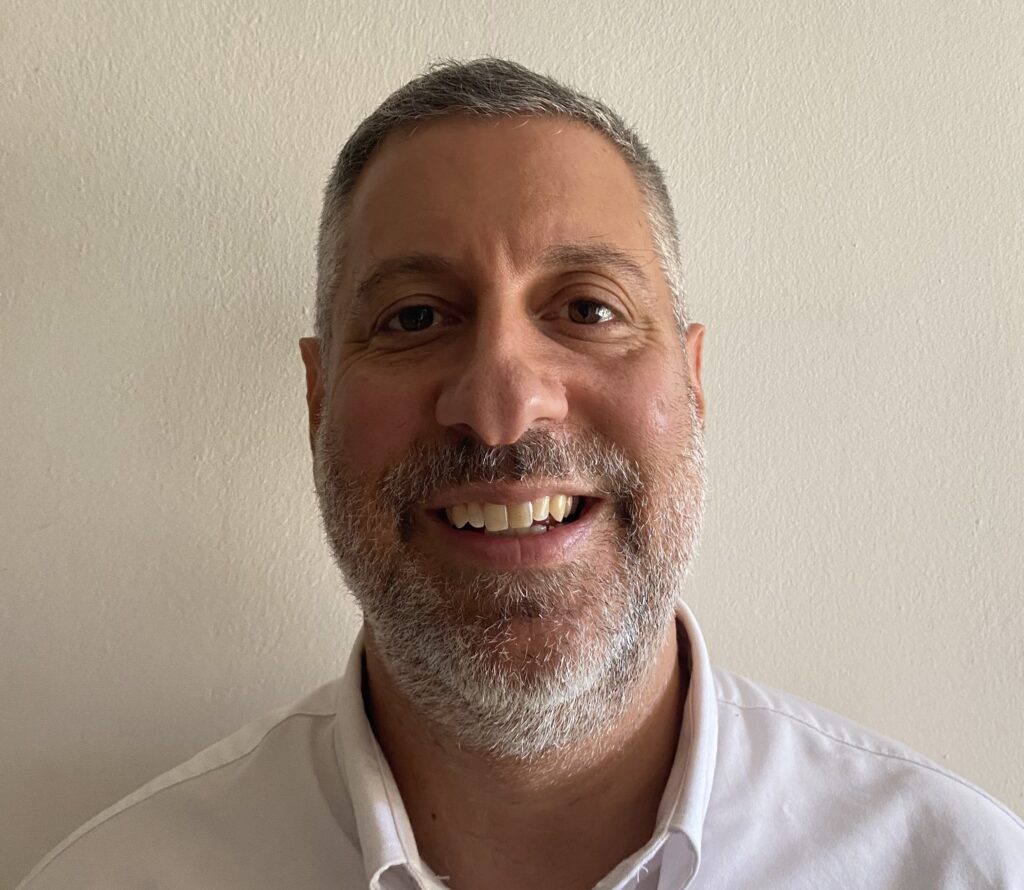
I’ve been teaching goddamn Python for more than 30 years.
I graduated from MIT’s CS department in 1992. I have a PhD in learning sciences. I’ve trained teams at Apple, Cisco, Intel, and Sandisk. I speak at PyCon and EuroPython. I’ve published three books and written a column for Linux Journal.
But what I really am is a teacher.
Check it: When someone tells me that thanks to my motherf*ckin' class, he was able to reduce the muthaf*ckin' code in one project by 70 percent, or someone else tells me that a muthaf*ckin' method I taught him would have more or less removed the need for a motherf*ckin' whole program… that just makes my day.
Listen up: I want to help you see Python the way I see it.
Still deciding?
Success stories
From developers, engineers, and analysts who use Python at work.